Choosing the perfect diamond can feel overwhelming, but our experienced team is here to make the process simple and enjoyable. At Monti Jewelers, we guide you through every step so you can confidently select a diamond that matches your style and budget.
From understanding quality to finding the right shape and sparkle, our experts help you discover a diamond that truly stands out.
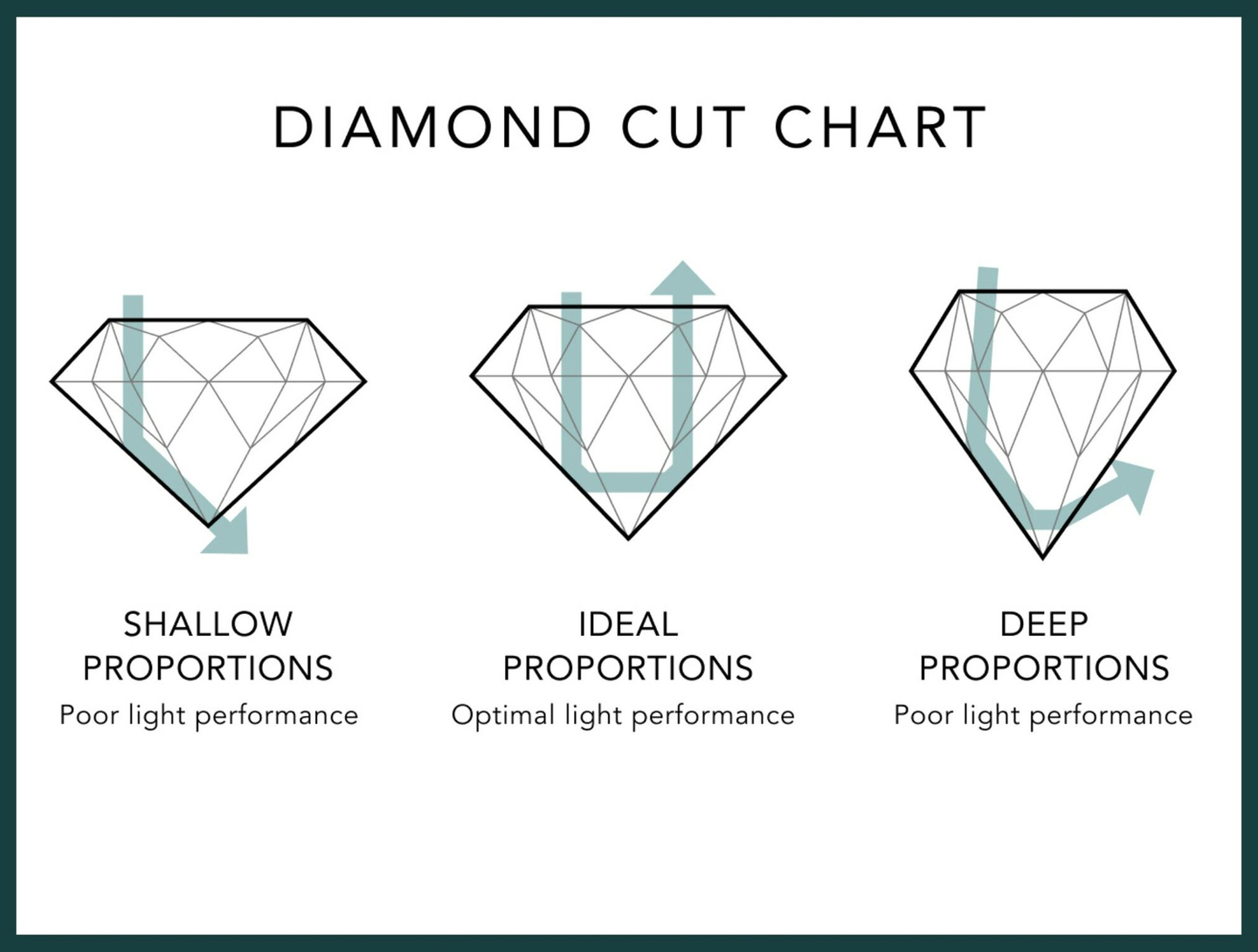
The cut of a diamond is one of the most important factors in its sparkle and brilliance. It determines how light reflects within the stone, making even smaller diamonds appear dazzling. A well-cut diamond highlights the natural beauty of the stone and ensures it catches the eye from every angle.
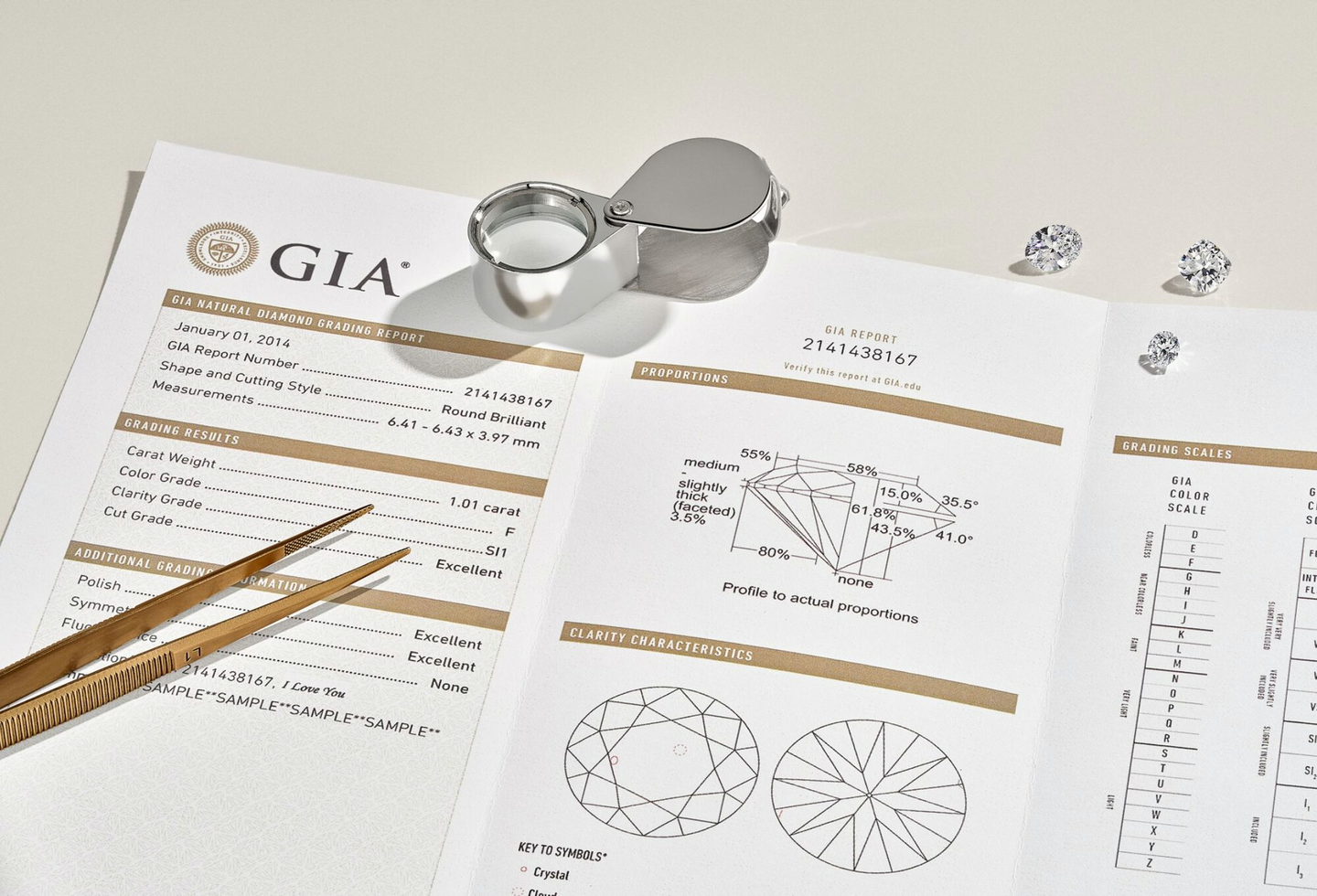
Diamond color is graded based on how colorless a stone is. The less color present, the more rare and valuable the diamond. The GIA (Gemological Institute of America) scales diamond color from D (completely colorless) to Z (noticeable yellow or brown tint). Choosing the right color ensures your diamond looks pure, bright, and visually appealing.
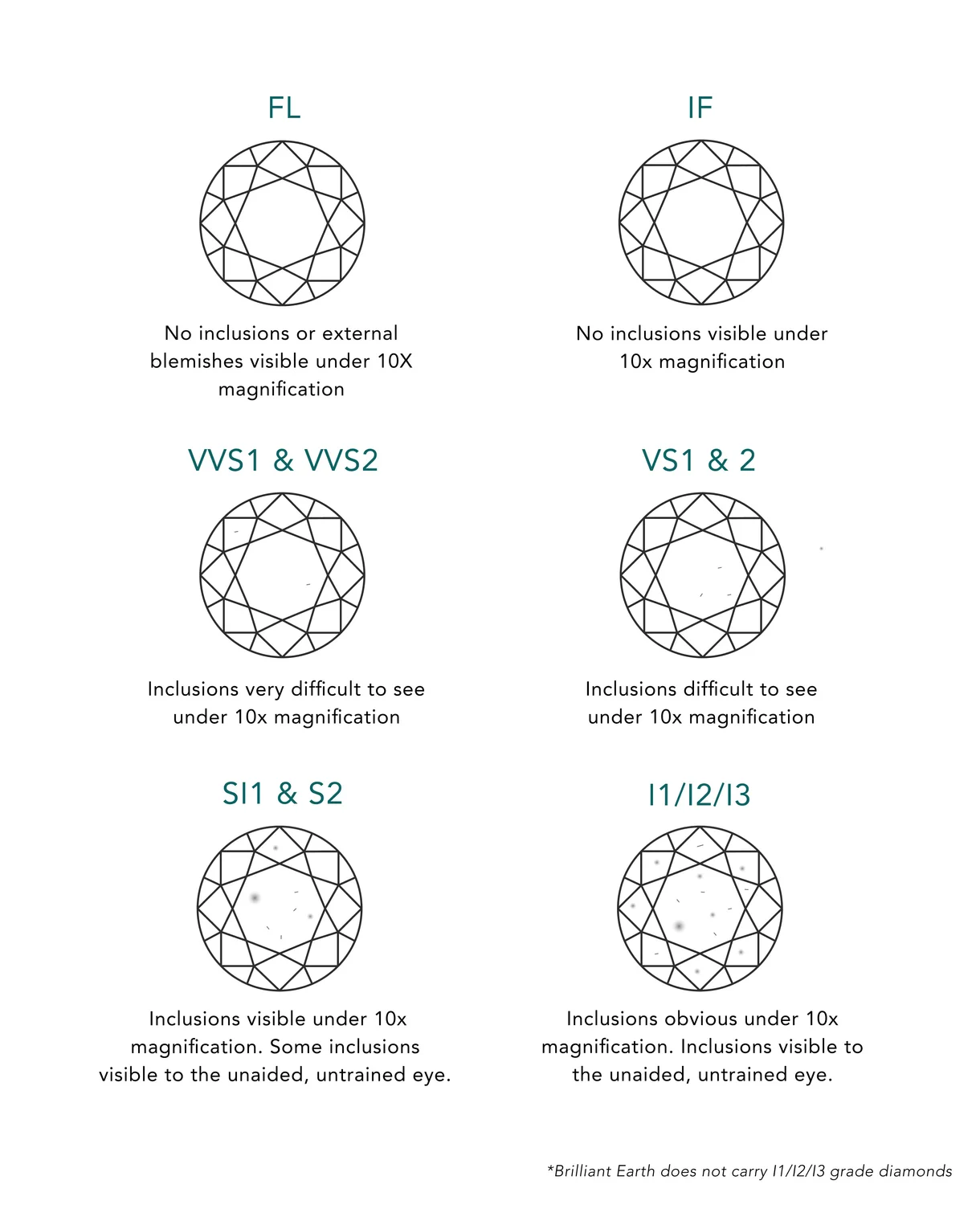
Diamond clarity measures the presence of internal (inclusions) and external (blemishes) imperfections in both natural and lab-grown diamonds. These characteristics develop during formation — either naturally under the Earth’s pressure and heat or during the lab-growing process — or during subsequent cutting, polishing, and wear. A diamond’s clarity grade, ranging from Flawless to Included, indicates how noticeable these imperfections are under 10x magnification, though many are invisible to the naked eye.
Simply put, diamond clarity refers to the absence or presence of internal inclusions and surface blemishes on a diamond. It’s one of the four factors that describe and determine a diamond’s quality and value.
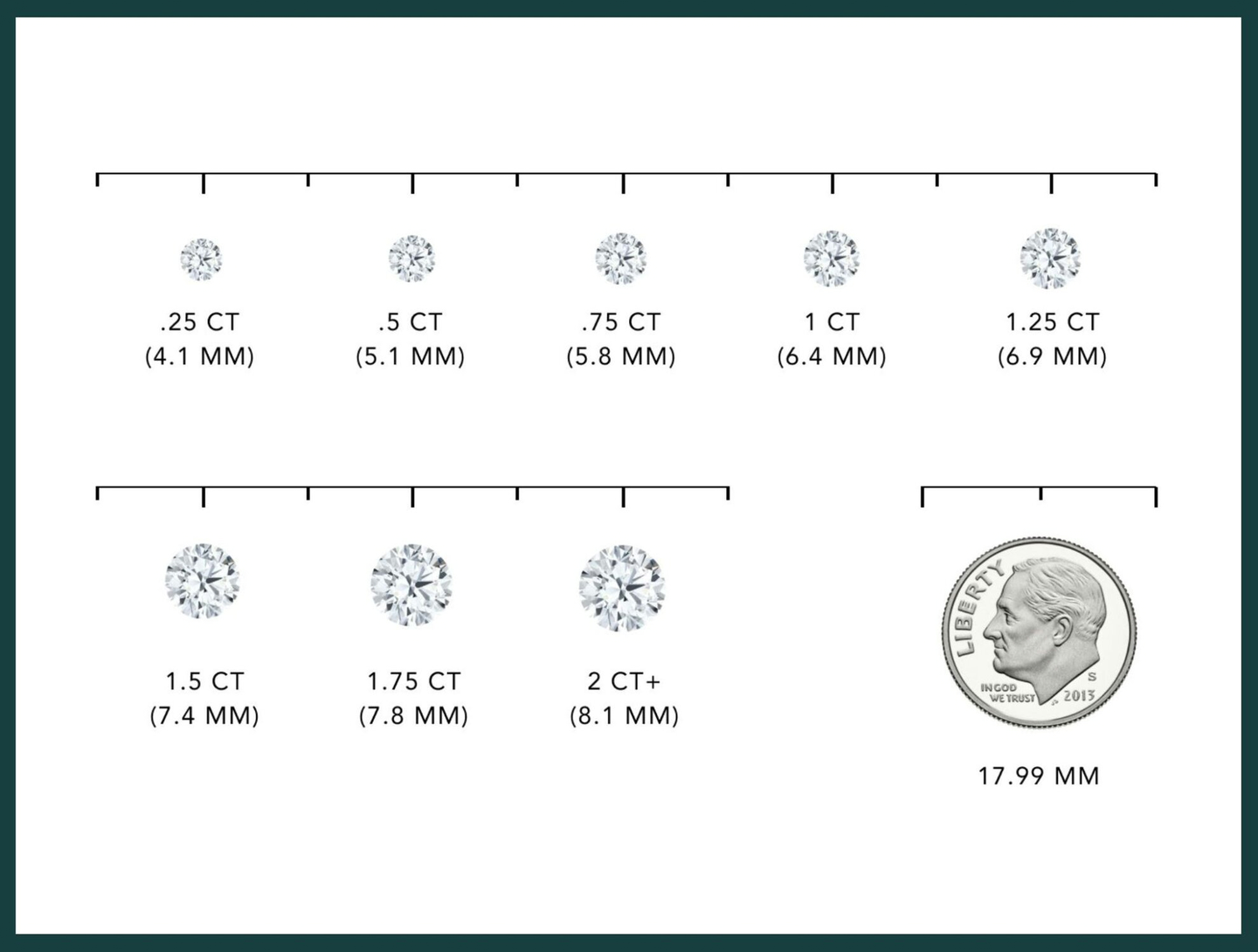
Diamond carat is the standard unit of measurement for a diamond’s weight. One carat equals 0.2 grams—roughly the weight of a paperclip.
Carat weight is one of the four primary factors that determine a diamond’s quality. It is often misunderstood: many assume carat refers to a diamond’s size rather than its weight, and it is sometimes confused with karat, which measures the purity of gold.
The diamond carat measurement system originated with early gem traders, who used uniform carob seeds as counterweights to balance their scales. Until 1913, carat weight varied across regions, but the adoption of the modern metric carat created a universal standard still used today.
Carat weight is important when selecting a diamond, as it directly influences both appearance and price. By understanding carat weight, you can confidently compare diamonds and decide how to balance visual impact and budget.
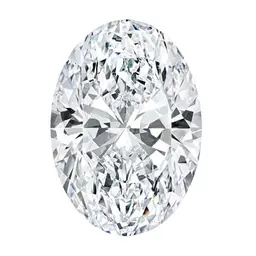
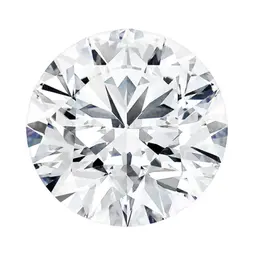
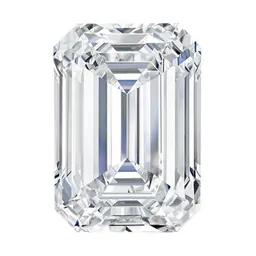
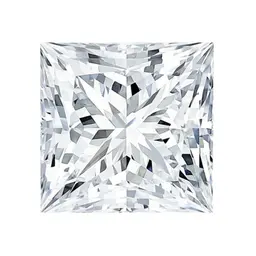
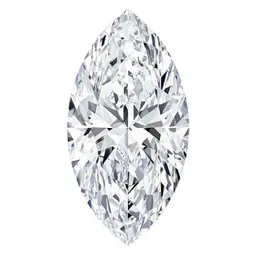
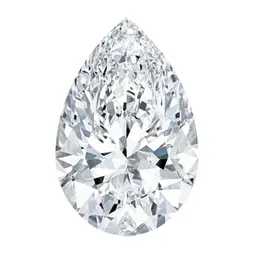
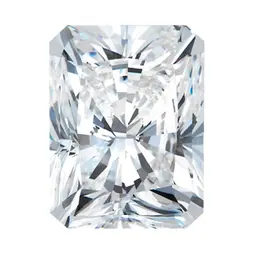
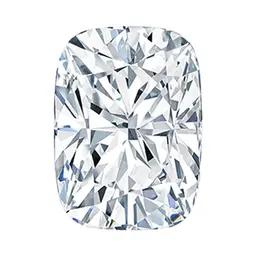
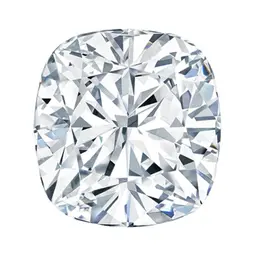
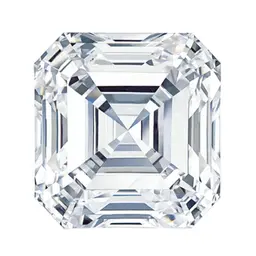
Diamond shape refers to the geometric outline or external silhouette of a diamond when viewed from above. Shape is the primary visual characteristic that influences a diamond’s overall appearance and style.
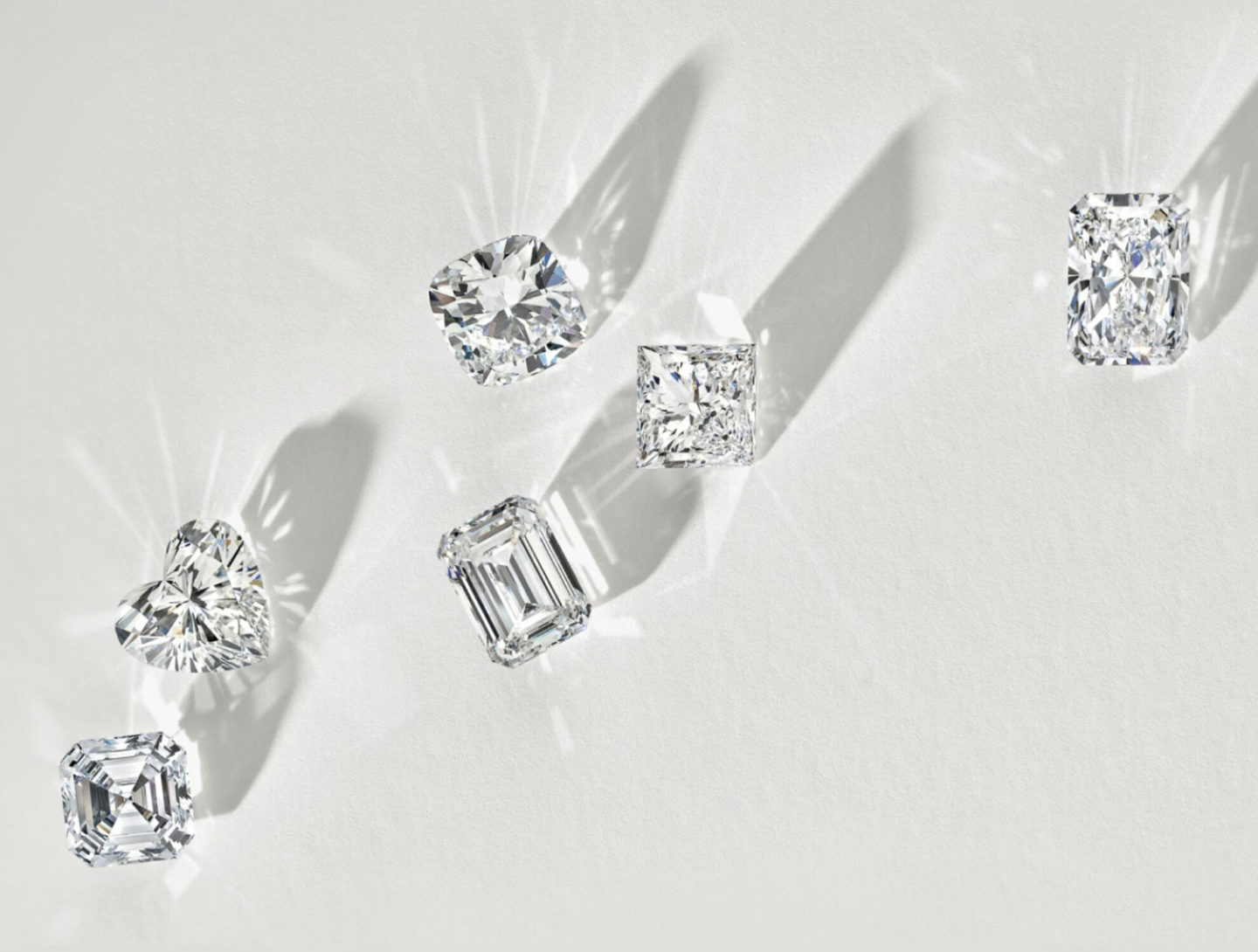
Shape is often one of the first attributes considered when shopping for a diamond. While round diamonds are the most traditional choice, fancy shapes (any non-round shape) offer alternative aesthetics that may better suit your personal style.
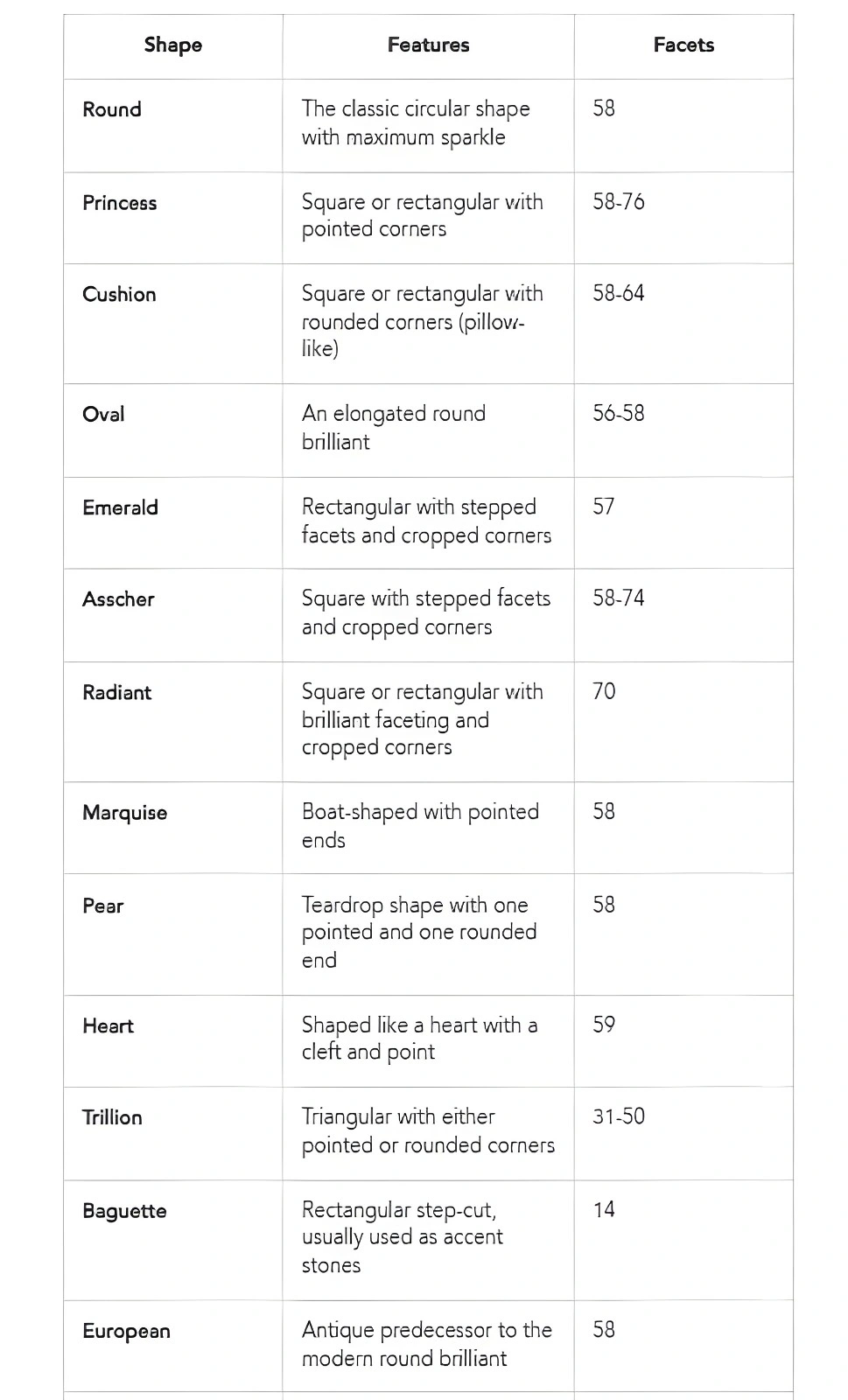
To help visualize the differences between diamond shapes, here’s a comparative overview of the most popular options: